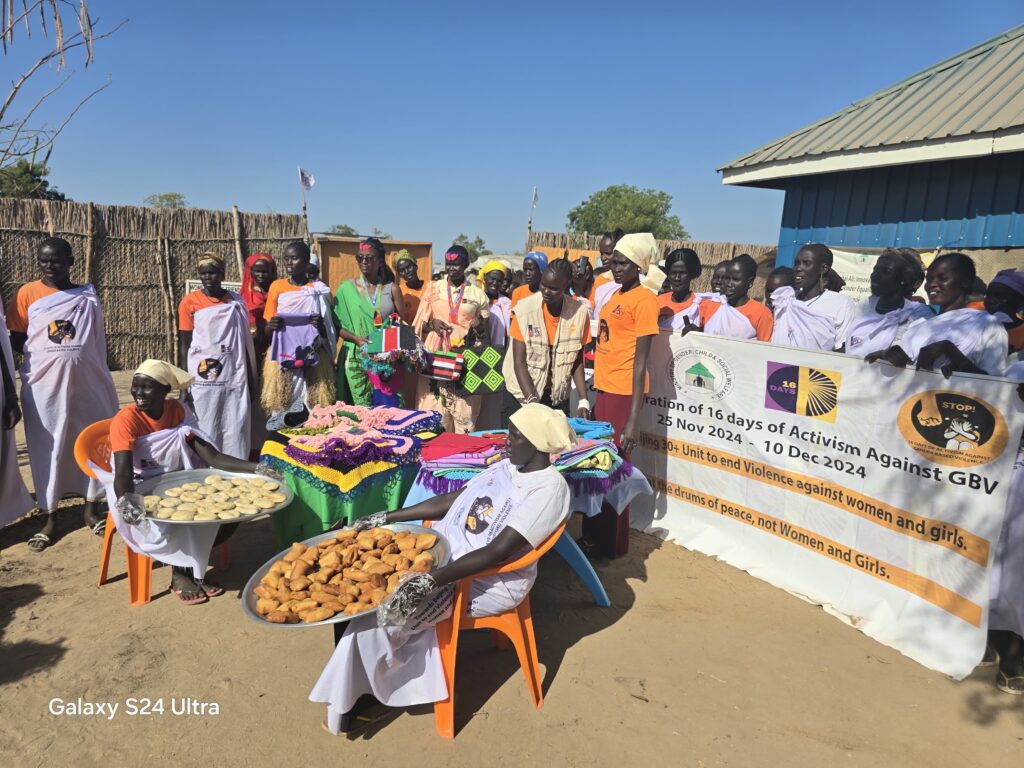
South Sudan Program
Hope Amid Crisis
Restoring dignity, safety, and opportunity for displaced women, girls, and children in Unity State
The Context
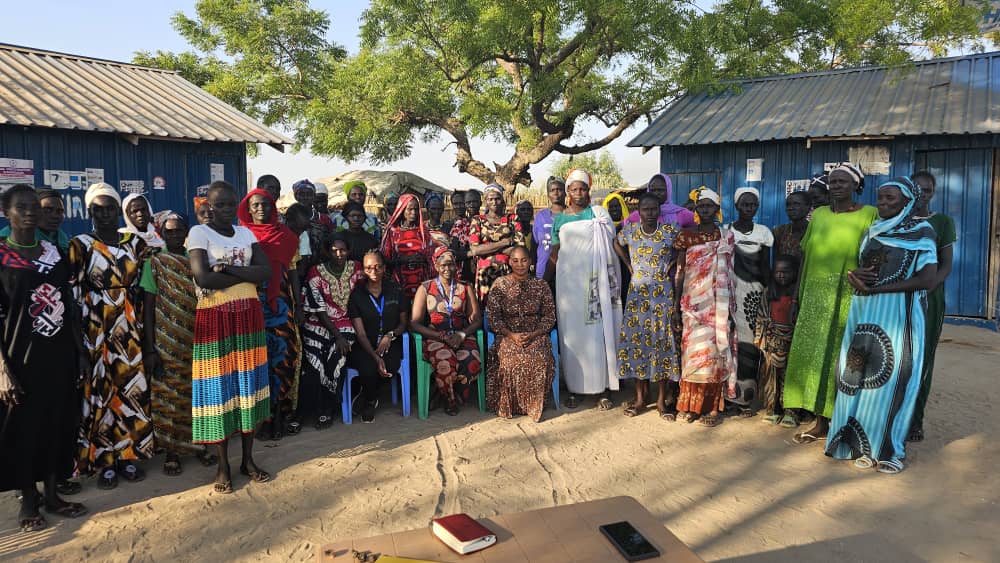
In Unity State, South Sudan, communities have endured years of conflict and devastating floods. Since 2020, families have faced repeated displacement, hunger, and insecurity. In January 2025, Hope Restoration South Sudan (HRSS) and Lulu‑Afrika undertook a joint mission to four counties in Unity State, visiting communities affected by protracted flooding to witness firsthand the resilience of women, girls, and children, and to review the transformative impact of projects implemented in 2024.
Through Women‑ and Girls‑Friendly Spaces, survivors shared stories of empowerment, safety, and hope ranging from community building to economic empowerment. We believe that beyond programs, these initiatives are lifelines for those most at risk. Alongside these conversations, the mission monitored project outcomes and assessed the ongoing needs within the communities.
Why South Sudan
South Sudan’s crisis is driven by two intertwined conflicts. a fragile economy. and recurring climate shocks.
These factors have resulted in a nation under severe strain. with millions in need of humanitarian assistance.
Internal instability
Stalled implementation of the 2018 peace agreement and continued clashes between government forces and opposition groups keep the state fragile.
10M
People requiring humanitarian assistance in 2026
Regional spillover
the war in neighboring Sudan has damaged oil export pipelines, cut oil revenue, and fueled cross border displacement and insecurity.
80%
Appeoximate share of GOP linked to oil
climate shocks
R«urring flood-drought disrupt livelihoods essential services. and food security. deepening vulnerability.
3 Priorities
• Protection • Food Security • Health & Education
Conflict displaces families. Flooding makes returning home even harder.
Our Focus in Unity State
We target the most vulnerable: internally displaced women, girls, and children. Through our fact‑finding mission, communities identified hunger, early marriage, and sexual violence as their most urgent concerns, sharpening our work into three priorities

Protection from GBV
Internally displaced women and girls face heightened risk of early marriage and sexual violence. We provide safe spaces and community support systems to reduce these risks.
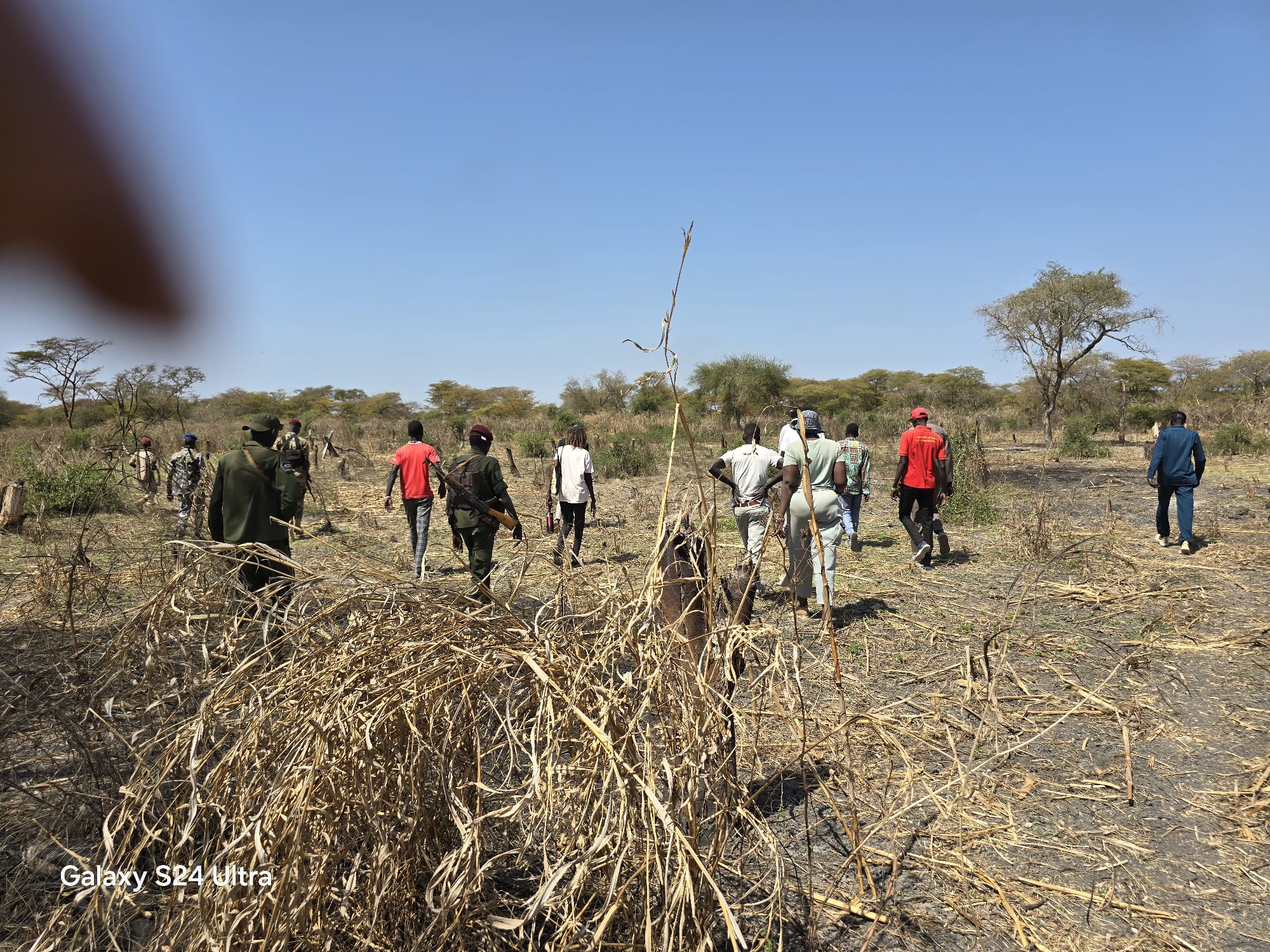
Food Security
A lack of farmland and farming equipment constrains food production and access. We work to expand access to land, tools, and sustainable livelihoods.
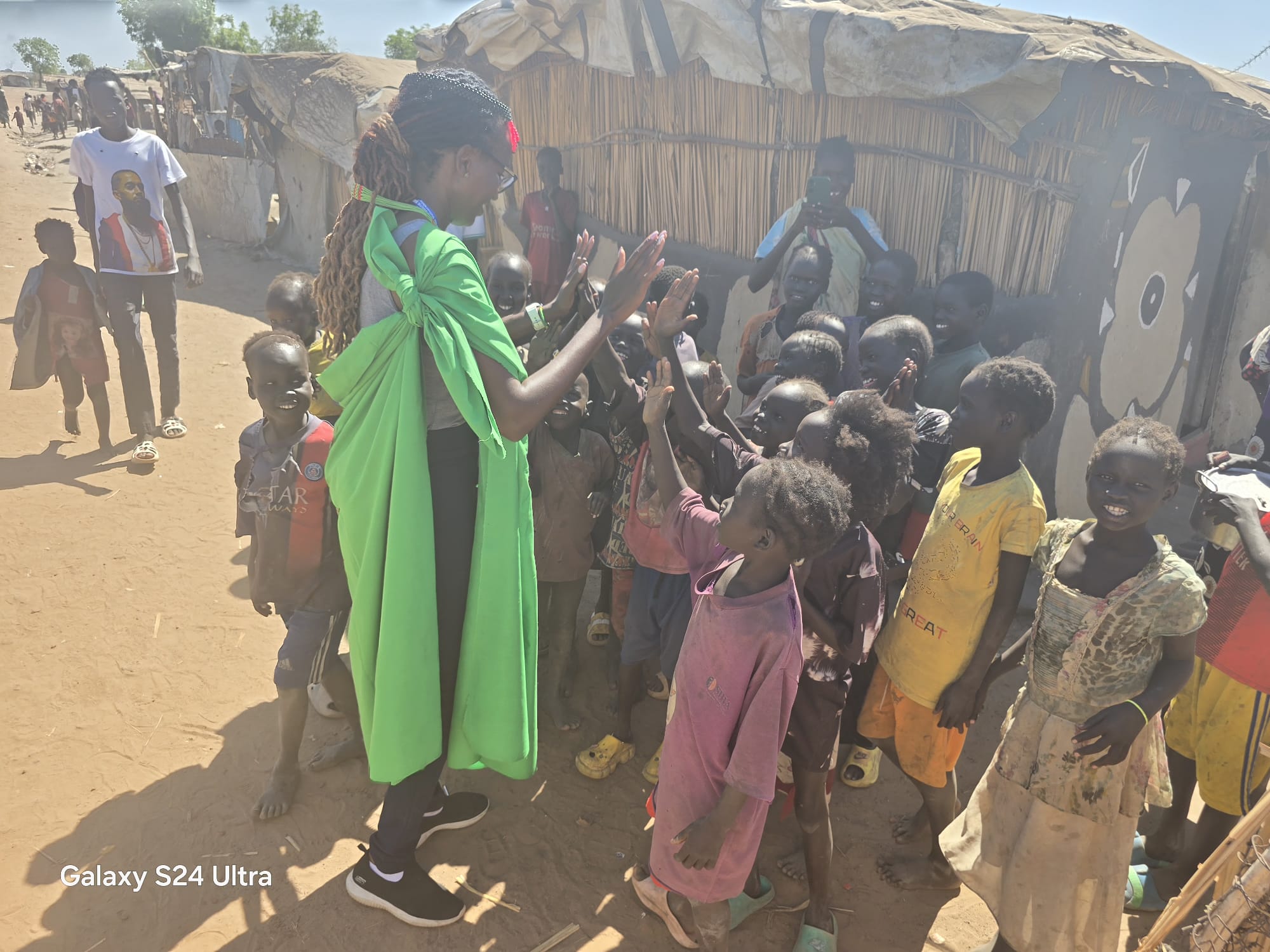
Health & Education Access
Limited health facilities restrict basic care, while nearly 3 million children in the Norkur area lack access to education. We're working to expand both.